

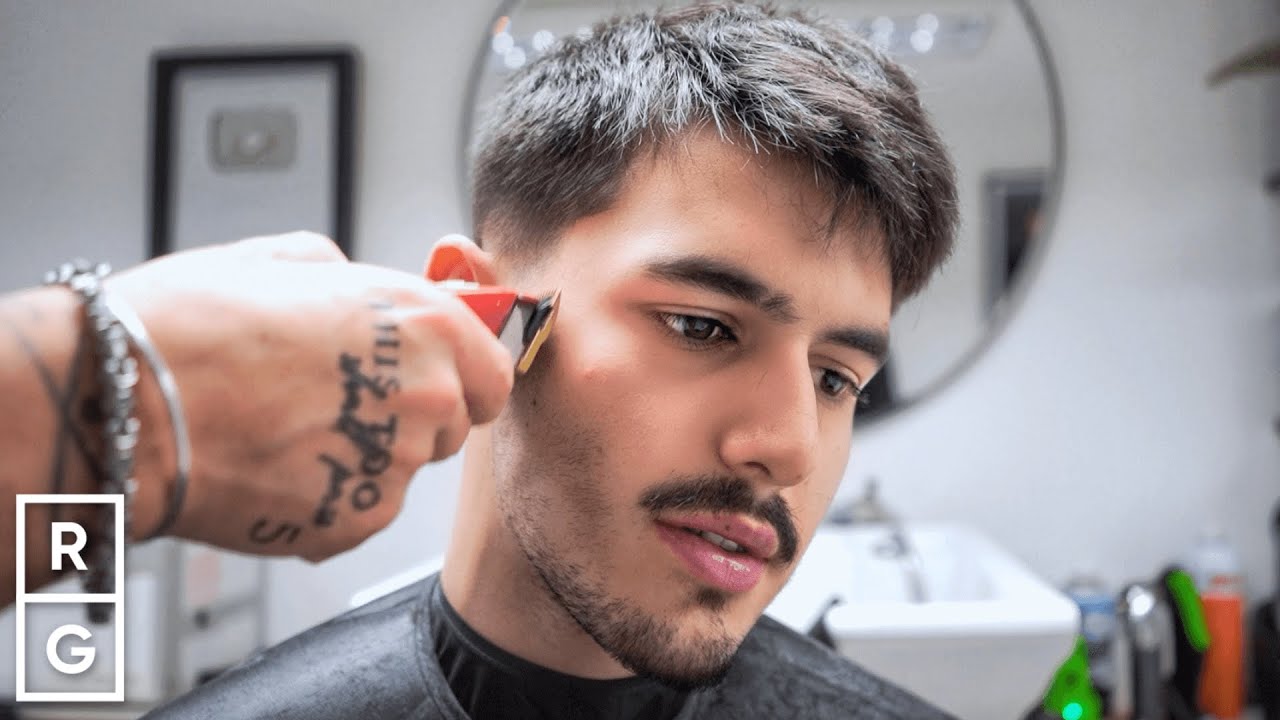
**Short taper fade haircuts** transform ordinary styles into sharp, clean masterpieces.
Every week, I watch clients struggle with overgrown sides that kill their entire look.
Master barbers know the secret: precision fading creates structure that frames your face perfectly.
Not sure which style suits you best? Our Haircut Finder Quiz matches you with the right cut based on your face shape and hair type — takes 60 seconds.
Your next cut could be the game-changer you’ve been searching for.
Key Takeaways
- A short taper fade blends hair from longer on top to skin-tight sides — typically using guard sizes #0 through #3.
- There are six main styles: mid, high, skin, drop, business, and sport — each works for different face shapes and lifestyles.
- Most short taper fades need a touch-up every 2–3 weeks; skin fades need weekly maintenance to stay sharp.
- To get the right cut, tell your barber the fade height (low, mid, or high), the guard size on top, and whether you want a squared or tapered neckline.
How to Ask Your Barber for a Short Taper Fade
Walking into the chair without a plan is the fastest way to walk out disappointed. After two decades behind the clippers, I can tell you that clients who communicate clearly always leave happier. Here’s exactly what to say.
1. Name the fade height. Tell your barber whether you want a low, mid, or high taper fade.
A low fade starts near the ears; a mid fade sits about two finger-widths above; a high fade begins near the temples. If you’re unsure, mid is the safest starting point — it works for almost every face shape.
2. Specify your guard numbers. For a short taper fade, most barbers use a #3 or #4 on top and blend down through #2, #1, and #0 on the sides. Saying “leave a #3 on top and fade to skin” gives your barber a clear technical brief.
3. Describe your neckline preference. Squared-off necklines look clean and structured.
Tapered necklines follow your natural hairline and grow out more gracefully. If you’re between appointments often, go tapered.
4. Bring a reference photo. One clear photo from the side or back saves more confusion than a five-minute conversation.
Point to where the fade line sits and how much contrast you want. Your barber will tell you if your hair texture can achieve the same result.
What Is A Short Taper Fade?
A short taper fade gradually blends hair from longer lengths on top down to skin-tight sides. The fade typically starts around your temples and ears, creating seamless transitions.
This versatile cut works with straight, wavy, or curly textures. Most barbers use clipper guards ranging from #0 to #3 for the perfect gradient effect.
- Temple area: Fade begins at natural hairline
- Ear zone: Blends down to skin level
- Neckline: Creates clean, sharp finish
- Maintenance: Needs touch-ups every 2-3 weeks

Classic Short Taper Fade Styles
Classic variations define how high or low your fade starts on the head. Each style creates distinct visual effects that complement different face shapes.
Your barber adjusts the starting point and gradient steepness based on your preferences. These timeless options never go out of style.

Mid Short Taper Fade
Starting at temple height, the mid fade balances boldness with wearability perfectly. Your barber creates the transition line roughly two inches above ear level.
This sweet spot works for both casual and professional settings. The visible contrast adds definition without overwhelming your overall appearance.

High Short Taper Fade
High fades begin near the upper temples, exposing maximum scalp area for dramatic contrast. The aggressive blend line sits three inches or higher above your ears.
Bold personalities gravitate toward this statement-making style. You’ll need biweekly appointments to maintain the crisp lines and sharp transitions.

Skin Short Taper Fade
Skin fades blend down to completely bare skin using zero-gap clippers or razors. The ultra-clean finish creates maximum contrast against longer top sections.
Professional athletes and style-conscious men prefer this pristine look. Weekly touch-ups keep the fade looking fresh and defined.

Drop Short Taper Fade
The drop fade curves downward behind your ears, following your head‘s natural contour. This arc creates an elongating effect that flatters round face shapes.
Barbers adjust the drop angle based on your skull shape and preferences. The curved line adds movement and flow to traditional fade patterns.

Short Taper Fade With Textured Tops
Textured tops paired with clean fades create dynamic contrast and visual interest. Modern styling techniques emphasize natural hair movement and touchable finishes.
These combinations work best with matte products that enhance texture without shine. Your stylist can customize the texture intensity based on your hair’s natural characteristics.

Professional Short Taper Fade Cuts
Corporate environments demand polished styles that project competence without drawing excessive attention. These refined variations maintain professionalism while incorporating modern fade elements.
Conservative fade heights and subtle blending techniques ensure workplace appropriateness. Regular maintenance keeps these styles looking consistently sharp and well-groomed.
“The best professional fade is one your boss notices for looking sharp, not for being trendy.” – Master Barber Marcus Chen
Business Short Taper Fade
Business-appropriate fades maintain longer lengths through the sides with minimal skin exposure. The gradual blend starts low and transitions smoothly without harsh lines.
This versatile cut pairs well with side parts or slicked-back styling. Conservative guard choices (#2-#4) ensure appropriateness across all industries.

Sport-Ready Short Taper Fade
Sport-specific cuts consider helmet fit, sweat management, and quick post-shower styling needs. Barbers adjust lengths to prevent irritation from protective gear or headbands.
The practical design works for everything from cycling to basketball. Minimal product use prevents buildup that could affect athletic performance.

🧠 Expert Advice
You’ll maintain cleaner fade lines by applying witch hazel or aftershave balm daily to prevent ingrown hairs and razor bumps. Athletes especially benefit from this routine since sweat and friction can irritate freshly faded areas. Keep a travel-size bottle in your gym bag for post-workout application.
Not sure what your face shape is? Our Face Shape Detector figures it out in 4 quick questions.
Short Taper Fade Maintenance Styles
Maintenance-conscious cuts consider lifestyle factors and appointment scheduling realities. Smart design choices extend fresh appearances between barbershop visits.
These practical variations balance style with real-world maintenance demands. Budget and time constraints influence which option works best.
Two-Week Touch-Up Taper Fade
Designed for biweekly maintenance schedules, this cut maintains acceptable appearance throughout. Strategic length choices prevent awkward growing-out phases between appointments.
The fade starts slightly lower to accommodate growth patterns. This planning prevents premature shagginess around ears and necklines.

Low-Maintenance Short Taper
Low-maintenance versions maximize time between required barbershop visits without sacrificing style. Conservative blending and longer initial lengths extend wearability to 3-4 weeks.
Natural growth patterns guide the cut’s structure for graceful evolution. This economical choice suits busy professionals and budget-conscious clients.

⚠️ Common Mistake
You’re choosing specialty fades without considering your lifestyle and maintenance commitment—that burst fade looks incredible fresh but becomes a mess after five days without touch-ups. These artistic cuts demand 5-7 day maintenance schedules and premium prices. Start with simpler fades before graduating to high-maintenance specialty options.
Ready to Find Your Perfect Cut?
You’ve read about the styles. Now find the one that fits YOUR face shape, hair type, and lifestyle.
FAQs
How Often Should I Get My Short Taper Fade Touched Up?
Most short taper fades need refreshing every 2-3 weeks to maintain sharp lines. Skin fades and aggressive blends require weekly touch-ups for optimal appearance.
Your hair growth rate and desired crispness determine exact timing. Schedule appointments based on when fade lines begin softening.
What Guard Sizes Work Best For A Short Taper Fade?
Standard short taper fades use guards #0 through #3 for optimal gradient effects. Most barbers start with #0 or #0.5 at the bottom, blending up through #1, #2, and #3.
Your barber adjusts guard selection based on hair density and desired contrast. Tighter fades use closer guard spacing for smoother transitions.
Can I Style A Short Taper Fade Without Products?
Shorter taper fade styles like buzz cuts and crew cuts need zero products. Textured tops benefit from light styling products but aren’t absolutely necessary.
Towel-drying and finger-styling work for casual looks. Natural hair texture determines how well product-free styling holds throughout the day.
What’s The Difference Between A Short Taper And Short Fade?
Tapers gradually reduce length while maintaining hair coverage throughout the sides and back. Fades blend aggressively down to skin, creating more dramatic contrast than tapers.
Short taper fades combine both techniques for versatile results. The distinction matters most when communicating preferences to your barber.
How Much Does A Quality Short Taper Fade Typically Cost?
Quality short taper fades range from $25-$75 depending on location and barber expertise. Premium barbershops in major cities charge $50-$100 for specialty fades with detailed finishing.
Additional services like hot towel shaves and line designs increase prices. Research local barbers’ portfolios before choosing based solely on cost considerations.
What face shapes suit a short taper fade?
Short taper fades work well on oval, square, and diamond face shapes because the clean sides create balance without adding width. If you have a round face, a higher fade with more volume on top elongates the face. Oblong or rectangular faces benefit from a lower, softer fade that adds width rather than height. Your barber can adjust the fade height and top length to flatter your specific face shape.
Related Guides
Was this article helpful?

Khamis Maiouf is a professional barber who graduated from Hinckley College in England with a Level 3 qualification in hairdressing. With over 20 years of experience, he is an award-winning barber who has mentored numerous students and styled thousands of clients. A recognised expert featured on StyleCraze (20M+ readers).
Credentials: Level 3 Hairdressing (Hinckley College, UK) • 20+ Years Professional Experience • Featured Expert on StyleCraze • Founder of Book of Barbering