

— Award-Winning Barber · 20+ Years Experience · Level 3 Qualified
A tapered beard is one of the most requested styles in my barbershop because it works on practically every face shape and keeps you looking sharp between visits. The technique gradually blends your beard from fuller at the chin to shorter near the sideburns, creating a clean gradient that frames your face naturally. Whether you’re going for a professional office look or a bold full beard, here’s how to nail the taper and which variation suits you best.
Key Takeaways
- A tapered beard gradually transitions from longer at the chin to shorter at the sideburns, creating a natural gradient that flatters every face shape
- Trim your tapered beard every 5–7 days with adjustable clippers, using decreasing guard sizes as you move from chin to cheeks
- The key difference between a tapered and faded beard is the transition speed—tapers blend gradually while fades create a sharper, more dramatic drop-off
- Even patchy beards benefit from tapering, as the gradient draws attention away from thin spots and toward your strongest growth areas
How To Taper Your Beard at Home: Step-by-Step
I get asked about DIY beard tapering constantly, so here’s the method I teach my clients between appointments. Start with a quality adjustable trimmer—you need at least 3 guard settings to create a smooth gradient. Begin at the longest length on your chin and jawline, then switch to one setting shorter as you move up toward the cheeks, and use the shortest setting near the sideburns and ear line.
The biggest mistake I see is trying to create the taper in one pass. Work in sections, always trimming against the grain for an even cut, and blend the transition zones by flicking the trimmer upward at the boundary between each length. Finish by cleaning your neckline with a bare blade—I recommend following your natural jawline rather than creating an artificial straight line, which looks more natural as it grows out.
What Is A Tapered Beard?
A tapered beard features a gradual decrease in length from the chin toward the sideburns and neckline. This technique creates natural dimension that frames your face while maintaining fullness where you want it most. The taper can be subtle with minimal length variation or dramatic with a stark contrast. Professional barbers achieve this through precise clipper work, blending multiple guard lengths seamlessly.

How To Get A Tapered Beard
Creating a tapered beard requires systematic clipper work using progressively shorter guards from bottom to top. Start with your longest desired length at the chin, then decrease by one guard size every half-inch moving toward the ears.
The neckline needs careful attention—blend from your Adam’s apple outward for smooth transitions. Most men need professional shaping initially, then maintain at home with weekly touch-ups.

Face Shapes For Tapered Beards
Tapered beards offer universal versatility by adjusting the gradient to complement any face structure. Round faces benefit from longer chin length with tight side tapers to create elongation.
Square faces look best with softer, gradual tapers that don’t emphasize angular jawlines. Oval faces can experiment with any taper style, while rectangular faces should keep more fullness on the sides for width balance.

Short Tapered Beard
The short tapered beard maintains 5-15mm length with subtle graduation toward the sideburns. This professional-friendly style requires minimal morning maintenance while still providing facial definition.
Perfect for corporate environments or men transitioning from stubble to fuller coverage. The short length showcases your natural jawline while the taper adds sophisticated dimension that elevates beyond basic stubble.

Medium Length Tapered Beard
A medium tapered beard spans 15-30mm at its fullest point, offering substantial coverage with refined edges. This length provides enough volume for shaping personality while the taper prevents bulk around the ears.
It’s ideal for men wanting presence without overwhelming their features. Weekly trimming maintains the gradient, while daily brushing and beard oil keep everything positioned perfectly throughout your day.

Long Tapered Beard Style
The long tapered beard showcases 2-4 inches of length at the chin while maintaining clean, graduated sides. This dramatic style requires patient growth over 4-6 months but delivers maximum impact.
The taper becomes crucial at this length—without it, long beards quickly look unkempt. Professional shaping every 3-4 weeks ensures your taper stays crisp while the length continues developing.

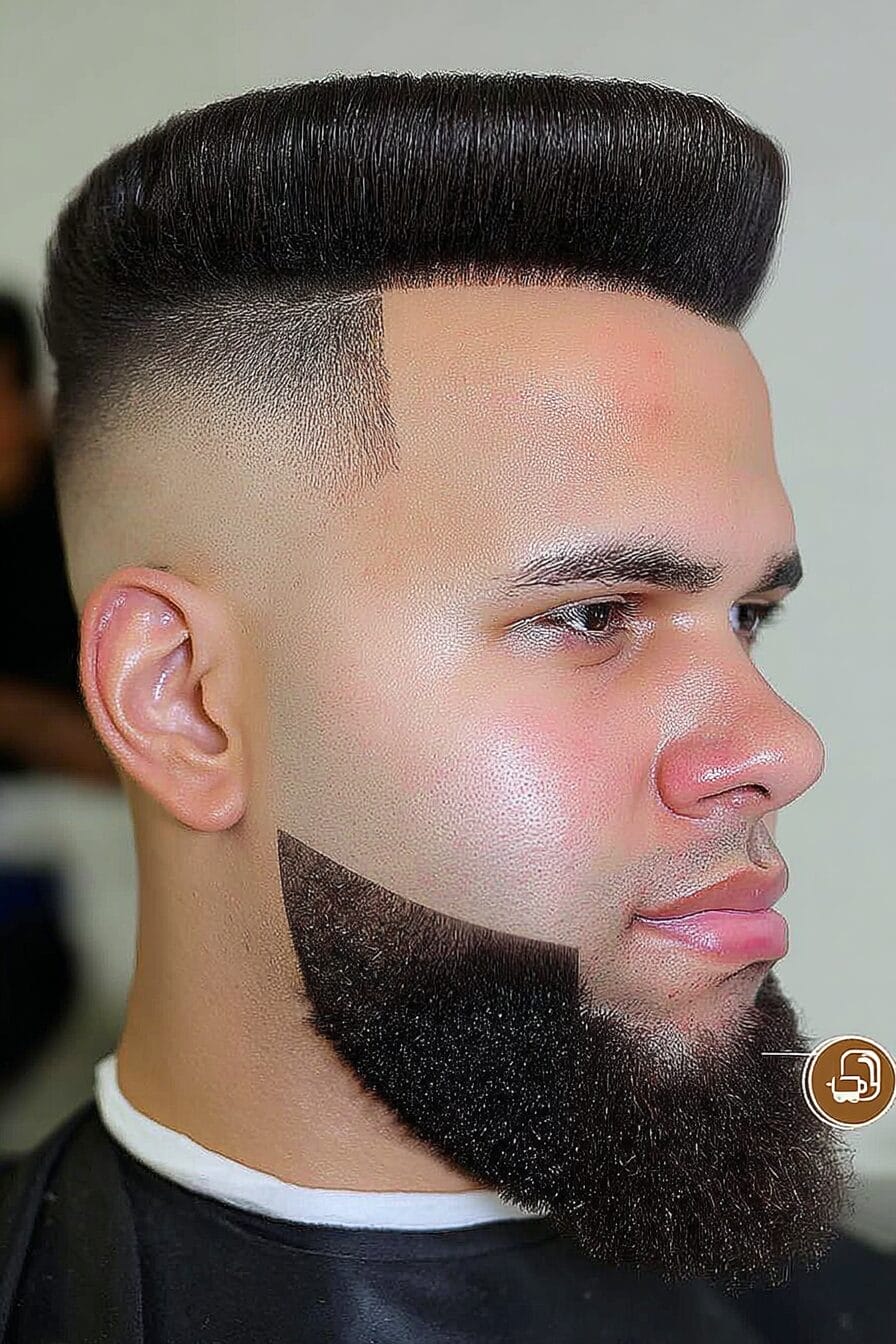
Tapered Beard With Fade
Combining a tapered beard with a fade creates seamless hair-to-beard transition that modern barbers have perfected. The fade typically starts at the temple, blending into the beard’s upper taper for continuous flow.
This style works exceptionally well with short haircuts like crew cuts or buzz cuts. The precision required means visiting your barber every 2-3 weeks for fade maintenance.
High Taper Beard
The high taper beard begins its length reduction above the ear line, creating dramatic contrast between full chin coverage and closely trimmed sides. This bold approach elongates round faces and adds definition to soft jawlines.
The high starting point means more frequent maintenance—expect to trim every 4-5 days. It’s particularly striking on men with thick, dense beard growth who want to showcase texture variation.

Low Taper Beard Style
A low taper beard keeps fuller coverage by starting the graduation at jaw level or below. This conservative approach maintains substantial side density while still achieving that polished, shaped appearance.
The low taper works brilliantly for patchy cheek growth since it preserves coverage where you have it. Men with narrow faces particularly benefit from this style’s width-maintaining properties.

Tapered Full Beard
The tapered full beard applies gradient techniques to complete facial coverage from sideburns to neck. Unlike traditional full beards that maintain uniform length, this version uses subtle tapering to prevent the “bush” effect.
The result feels contemporary and intentional rather than simply grown out. Regular professional shaping every month keeps the taper defined while allowing continued growth in desired areas.

Stubble Tapered Beard
Stubble tapering creates definition using 1-5mm length variation within designer stubble. This micro-tapering technique adds sophistication to what might otherwise read as simple five o’clock shadow.
The key lies in precision—using adjustable clippers to create barely perceptible graduation. Perfect for men who prefer minimal facial hair but want maximum style impact. Requires trimming every 2-3 days to maintain the effect.

Tapered Beard With Sharp Lines
This style combines gradient length with razor-defined edges for maximum contrast and precision. The sharp cheek lines and crisp neckline create geometric appeal while the taper adds dimension within those boundaries.
Popular among men who appreciate meticulous grooming and aren’t afraid of daily maintenance. The sharp lines need touching up every other day, making this a commitment to looking consistently polished.

Natural Tapered Beard
The natural tapered beard follows your face’s organic growth patterns while adding subtle length graduation. Rather than forcing sharp lines, this style works with your natural cheek line and neckline for an effortlessly groomed appearance.
It’s ideal for men whose beard growth isn’t perfectly symmetrical or who prefer a more relaxed aesthetic. Maintenance involves weekly trimming to preserve the taper without over-sculpting.

Tapered Goatee Style
A tapered goatee applies gradient techniques to the classic chin-and-mustache combination. The taper typically runs from fuller chin length to shorter sides near the mouth corners, creating a pointed or rounded shape depending on preference.
This focused style draws attention to the center of your face while maintaining clean cheeks. Works particularly well for men with patchy cheek coverage who still want facial hair presence.

Tapered Beard With Handlebar Mustache
Pairing a tapered beard with a handlebar mustache creates vintage-modern contrast that’s currently trending among style-conscious men. The beard’s clean taper prevents competition with the mustache’s dramatic curled ends.
This combination requires dedication—the mustache needs daily wax styling while the beard requires weekly taper maintenance. The result delivers personality and sophistication that standard beard styles can’t match.

Disconnected Tapered Beard
The disconnected tapered beard intentionally separates the beard from sideburns, creating a floating beard effect. The taper within the beard itself adds dimension while the disconnection provides striking contrast.
This bold choice works best with short, well-maintained hair that doesn’t compete for attention. The gap between hair and beard needs precise maintenance every few days to keep lines clean and intentional.

Tapered Beard With Chevron Mustache
Combining a tapered beard with a chevron mustache delivers masculine authority through balanced facial hair distribution. The thick, downward-angled mustache complements the beard’s gradient perfectly, creating cohesive coverage.
This timeless combination suits most face shapes and ages particularly well. The chevron requires minimal styling compared to other mustache styles, making this an accessible option for comprehensive facial hair coverage.

Square Tapered Beard
The square tapered beard maintains a boxy bottom line while incorporating gradient length on the sides. This angular approach adds structure to round faces and emphasizes strong jawlines on square faces.
The taper prevents the square shape from looking blocky or unnatural. Achieving the perfect square requires professional shaping initially, then careful home maintenance with guided trimming along established lines every week.

Rounded Taper Beard Style
A rounded taper creates soft, curved graduation that follows your face’s natural contours. This approach works exceptionally well for men with angular features who want to soften their appearance.
The rounded bottom combined with tapered sides creates an oval silhouette that’s universally flattering. The curves require more frequent maintenance than angular styles—expect to trim and shape every 5-6 days for consistency.

Tapered Beard For Round Face
Round faces benefit from a tapered beard that’s longer at the chin with tight, high tapers on the sides. This specific approach creates vertical lines that elongate and slim the face’s appearance.
Keep the chin length at least 1-2 inches while maintaining close crops near the ears. The dramatic length difference requires careful blending to avoid looking disconnected. This strategic tapering can completely transform facial proportions.

Angular Tapered Beard
The angular tapered beard uses geometric precision to create sharp transitions between length zones. Rather than smooth blending, this style embraces visible steps in the graduation for a modern, architectural effect.
It requires expert clipper control and works best with dense, straight beard hair that holds defined shapes. The angular approach makes a bold statement perfect for fashion-forward men willing to maintain precise lines.

Tapered Beard With Undercut
Pairing a tapered beard with an undercut hairstyle creates maximum contrast through opposing techniques—short sides up top, graduated length below. The undercut’s sharp disconnection plays perfectly against the beard’s smooth taper.
This combination elongates the face and creates a striking profile view. Both elements require professional maintenance every 2-3 weeks to preserve the precise contrast that makes this style impactful.

Professional Short Taper
The professional short taper maintains corporate-appropriate length while adding subtle sophistication through gradient shaping. This conservative style keeps everything under 15mm with minimal variation—just enough to avoid looking flat.
Perfect for client-facing roles or traditional office environments where full beards might raise eyebrows. The understated taper adds polish without calling attention, requiring only weekly maintenance to stay sharp.

Tapered Beard With Side Part
Combining a tapered beard with a side-parted hairstyle creates classic masculine elegance. The beard’s taper should complement the hair’s natural part line, creating visual flow from top to bottom.
This timeless pairing works across all age groups and professional settings. The key lies in proportional balance—if your side part is dramatic, keep the beard taper subtle, and vice versa.

Executive Tapered Style
The executive tapered beard projects seasoned authority through careful length management and pristine maintenance. This style typically features medium length at the chin with professional-grade tapering that never looks unkempt.
Gray or salt-and-pepper coloring enhances the distinguished effect. Regular professional grooming every two weeks ensures the sophisticated appearance that corner-office presence demands. This investment in grooming pays dividends in perceived competence and attention to detail.

Tapered Beard For Square Face
Square faces benefit from tapered beards that soften angular jawlines without eliminating masculine structure. Keep fuller coverage on the chin while tapering gradually—avoiding sharp transitions that emphasize squareness.
The ideal approach maintains some width at the jaw before tapering upward, creating an oval effect. This strategic shaping turns a potentially harsh jawline into your best feature while maintaining strong masculine presence.

Thick Tapered Beard
The thick tapered beard manages dense growth patterns through strategic length variation that prevents overwhelming bulk. Men blessed with thick beards need aggressive tapering to maintain shape—without it, density becomes unruliness.
This style showcases your superior beard genetics while proving you can control them. Regular thinning with scissors combined with clipper tapering creates the perfect balance of fullness and refinement.

Subtle Taper Beard Style
A subtle taper uses minimal length variation—often just one clipper guard difference—for understated sophistication. This approach works perfectly for men who want polish without obvious styling.
The gradual transition appears almost natural, like your beard simply grows in perfectly shaped. It’s ideal for first-time taper attempts or conservative environments. Despite its subtlety, this style still requires weekly maintenance to preserve the gentle graduation.

Dramatic Tapered Beard
The dramatic tapered beard creates bold contrast between full chin length and nearly bare sideburns. This high-impact style can feature up to 3 inches of length difference within the beard itself.
The dramatic gradient demands attention and confidence to carry off properly. It works best with excellent beard density that can handle aggressive tapering without looking patchy. Expect to maintain this showstopper every 4-5 days.

Tapered Beard With Pencil Mustache
Pairing a tapered beard with a pencil mustache creates sophisticated contrast through opposing widths—thin on top, graduated below. The narrow mustache requires daily precision trimming while the beard needs weekly taper maintenance.
Not sure what your face shape is? Our Face Shape Detector figures it out in 4 quick questions.
This unexpected combination modernizes the vintage pencil mustache for contemporary appeal. The style works particularly well for men with smaller features who want facial hair without overwhelming their face.

Salt and Pepper Tapered Style
The salt and pepper tapered beard uses gradient length to enhance natural color variation. Strategic tapering can emphasize silver streaks or blend them subtly depending on placement.
This distinguished style celebrates maturity while maintaining contemporary shaping. The contrast between dark and light hair becomes even more striking with proper tapering technique. Regular conditioning with beard oil keeps both color tones looking healthy and defined rather than dull.

Tapered Beard For Black Men
Tapered beards work exceptionally well with coarse, textured hair common among Black men, creating clean lines that complement natural growth patterns. The taper technique helps manage density while maintaining fullness where desired.
Popular variations include pairing with lineup edge-ups or combining with fade haircuts for continuous flow. Professional barbers experienced with textured hair can create incredibly precise tapers that last longer between appointments.

Neat Tapered Beard
The neat tapered beard prioritizes immaculate maintenance through conservative length and precise graduation. Every hair stays in its designated zone through daily brushing and weekly trimming.
This style proves that careful grooming beats wild length every time. It’s perfect for men who enjoy the ritual of beard care and take pride in always looking put-together. The neat aesthetic requires genuine commitment but delivers consistent, polished results.

Tapered Circle Beard
A tapered circle beard applies gradient techniques to the connected goatee-mustache combination. The taper typically starts fuller at the chin, gradually decreasing as it approaches the mustache connection.
This adds dimension to what might otherwise be a flat, uniform circle. The style frames the mouth attractively while maintaining professional appropriateness. It’s particularly effective for men with weak chin definition, as the taper creates visual projection.

Tapered Beard With Quiff
Combining a tapered beard with a quiff hairstyle creates vertical emphasis that elongates the face. The quiff’s height plays perfectly against the beard’s downward taper, creating balanced proportion.
This style requires commitment to both hair and beard maintenance—the quiff needs daily styling while the beard needs weekly tapering. The result delivers maximum style impact that works from boardroom to bar.

Sculpted Taper Beard Style
The sculpted taper beard treats facial hair as three-dimensional art, using advanced techniques to create curves, angles, and definition. This approach goes beyond simple length variation to include density management and directional shaping.
Master barbers use combinations of scissors, clippers, and razors to achieve the sculpted effect. The style requires professional expertise initially, then dedicated home maintenance to preserve the artistic shaping between appointments.

Tapered Van Dyke Style
A tapered Van Dyke applies gradient techniques to the disconnected goatee and mustache combination. The taper adds modern dimension to this classic 17th-century style, preventing it from looking costume-like.
The pointed goatee benefits from length graduation that emphasizes its triangular shape. This sophisticated option works well for men with strong chin structure who want to highlight their facial architecture. Maintenance involves careful daily shaping to preserve both disconnection and taper.

Skin Fade Tapered Beard
The skin fade tapered beard creates ultimate contrast by graduating from full beard length down to completely bare skin. This dramatic technique requires expert barber skills to blend smoothly without harsh lines.
The skin fade typically occurs at the sideburn area, creating seamless transition from haircut to beard. This high-maintenance style needs professional touch-ups every 10-14 days to maintain the fade’s precision. It’s currently trending among men who appreciate technical barbering excellence.

🎬 How To Fade And Shape a PERFECT Beard | Easy Barber Tutorial
FAQs: Tapered Beard Styles
How often should I trim my tapered beard?
Most tapered beards require weekly maintenance to preserve the gradient effect. Faster-growing beards might need trimming every 4-5 days, while slower growers can stretch to 10 days.
The key is consistency—irregular trimming creates uneven growth that ruins the taper. Set a specific day each week for maintenance, using the same clipper guards and techniques. Professional reshaping every 3-4 weeks helps maintain optimal angles and proportions.
What’s the difference between a tapered and faded beard?
A tapered beard features gradual length reduction using multiple clipper guards, maintaining visible hair throughout. A faded beard blends down to skin, creating areas with no visible hair.
Tapers are generally more subtle and professional-appropriate, while fades make bolder statements. Tapers work with any beard length, but fades typically require shorter overall length to blend properly. Both techniques can be combined for maximum dimension.
Can I get a tapered beard with patchy growth?
Tapered beards actually work excellently for patchy growth by strategically placing shorter lengths where coverage is thinner. The gradient effect disguises inconsistent density better than uniform length would.
Work with your barber to identify your strongest growth areas and build the taper around them. Sometimes a dramatic taper that keeps fullness only where you grow well creates better results than trying to maintain even length everywhere.
What tools do I need to maintain a tapered beard?
Essential tools include an adjustable clipper with multiple guards, a detail trimmer for edges, scissors for precision work, and a beard comb. Quality clippers make the biggest difference—invest in ones with strong motors that won’t pull hair.
You’ll also need beard oil for health, a boar bristle brush for training hair direction, and a handheld mirror to check side angles. Professional clippers cost more initially but deliver better results and last longer.
Is a tapered beard appropriate for the office?
Tapered beards are ideal for professional settings because they demonstrate grooming attention and style awareness. The gradient effect looks intentional and maintained rather than simply grown out.
Most corporate environments appreciate the polished appearance of a well-tapered beard. Keep the overall length conservative—under an inch for traditional offices—and maintain sharp, clean lines. Regular professional grooming shows you take your appearance as seriously as your work.
What guard size should I use for a tapered beard?
For a standard tapered beard, I use a #4 or #5 guard on the chin and jawline, a #3 on the mid-cheek area, and a #2 near the sideburns. The exact sizes depend on how full your beard grows and how dramatic you want the taper. Start with longer guards than you think you need—you can always go shorter, but you can’t put hair back.
Does a tapered beard make your face look thinner?
Yes, a tapered beard is one of the best tools for creating a slimmer facial appearance. By keeping the beard fuller at the chin and shorter at the sides, the taper naturally elongates your face and draws the eye downward. This is why I recommend it to clients with round or square face shapes who want to add definition to their jawline without growing a massive beard.
How long does your beard need to be for a taper?
You need at least 3–4 weeks of growth (roughly half an inch) to start creating a visible taper. The chin area should be long enough that you can clearly see the gradient as it shortens toward the sideburns. That said, even stubble-length beards can have a subtle taper—I do this by using a bare blade at the sideburns and a #1 guard along the jawline, which creates a clean gradient on shorter growth.
Was this article helpful?
Find Your Perfect Beard Style
You’ve seen the options. Now find the one that actually suits YOUR face shape and growth pattern.

Khamis Maiouf is a professional barber who graduated from Hinckley College in England with a Level 3 qualification in hairdressing. With over 20 years of experience, he is an award-winning barber who has mentored numerous students and styled thousands of clients. A recognised expert featured on StyleCraze (20M+ readers).
Credentials: Level 3 Hairdressing (Hinckley College, UK) • 20+ Years Professional Experience • Featured Expert on StyleCraze • Founder of Book of Barbering