

Master men’s hairstyle history without dusty textbooks or boring lectures.
Picture ancient warriors, slick 20th-century icons, and modern fades all shaping how you wear your hair today.
You’ll see why a #2 guard cut, a beard fade, or a classic side part isn’t just fashion—it’s identity and influence expressed through culture.
Not sure which style suits you best? Our Haircut Finder Quiz matches you with the right cut based on your face shape and hair type — takes 60 seconds.
So let’s travel from battlefields to barbershops and discover how hair has always mattered.
Key Takeaways
- Men’s hairstyle history spans from ancient warrior cuts to 2026 fades — each era left marks on what barbers still cut today
- Military conflicts consistently reset men’s grooming — short, practical cuts after every major war shaped decades of style
- The barbershop has been the real engine of men’s hair trends since the 1800s, mixing community culture with cutting technique
- Black men’s hairstyles drove some of the most influential movements in grooming — from the Afro to the high-top fade
- Every modern cut you ask for — fades, undercuts, pompadours — traces directly back to a specific historical moment
In Plain English: Men’s Hairstyle History
Men’s hairstyle history is really the story of self-expression. Across ages, hair choices weren’t random but linked to roles, culture, and even rebellion. Think of knights, scholars, soldiers, and rockstars—each era left a visible stamp on hair fashion.
It’s less about vanity and more about meaning. A simple cut reflected power, spirituality, or practicality, while simultaneously inspiring future styles we still recycle today.
Why Men’s Hairstyle History Matters
Understanding hair history gives context for today’s trends. It explains why a fade, pompadour, or buzz cut feels familiar yet fresh. Each carries a legacy that began generations ago, influencing how men present themselves now.
Barbers benefit by knowing origin stories of classic looks. Clients gain appreciation for old-school looks for cuts chosen, realizing they’re part of a bigger tradition woven into masculine style across centuries.
Classic Roots Of Men’s Hairstyles
The foundation of men’s grooming started long before Instagram inspiration. Early roots taught us hair could display strength, spiritual devotion, or distinction. People communicated allegiance, bravery, and even faith simply with their chosen cut.
Ancient examples remain surprisingly relevant. Modern barbers reinterpret details while keeping the same symbolic essence alive in today’s trims, beards, or styling rituals.
Ancient Warrior Cuts
Soldiers from Rome, Greece, or Viking clans often wore specific cuts symbolizing readiness for battle — much like samurai topknots served warriors in combat. Cropped shapes reduced battlefield risks like grabbing.
These warrior styles weren’t just protective. They communicated fierceness and loyalty, cementing an identity that continues echoing in today’s military-inspired trims.
Medieval Grooming Traditions
In medieval times, hair heavily reflected class. Nobility grew longer locks, while peasants often kept hair practical for work and hygiene.
Religious influence also shaped cuts, like tonsures worn by monks. Each style silently displayed societal rank and spiritual devotion.
Renaissance Influence On Men’s Hairstyles
During the Renaissance, art and exploration fueled expressive grooming. Men adopted fuller, styled hair echoing cultural sophistication surrounding them.
Hair became canvas-like, elevated with curls or length. These indulgent styles carried prestige and suggested education, wealth, and refined taste.
Hairstyles Of The 18th And 19th Century
Powdered wigs dominated aristocratic society, yet practicality slowly won ground. With industrialization, shorter styles surged among working men needing efficiency at factories.
At the same time, barbershops rose as cultural spaces. Men gathered not just to groom, but also to socialize, debate, and bond.
The Wig Era
Powdered wigs became synonymous with wealth, refined etiquette, and law authority. They covered unsanitary realities like hair loss or lice.
These elaborate pieces also separated classes visibly. The higher and more adorned the wig, the greater the person’s prestige appeared.
Victorian Gentleman Styles
Victorian men distinguished themselves with neat side-parted hair. Slick looks showcased strict discipline reflecting the culture’s rigid norms.
Hairstyles mirrored larger values of control and refinement. A well-groomed man revealed both respectability and dignity expected in society.
Industrial Age Practical Cuts
Factories changed how men wore hair. Shorter cuts minimized distractions and hazards from machinery while still appearing tidy.
Practical grooming represented industrious identity. A trimmed, clean look suggested reliability for employment and embodying progress values defining the era.
Early 20th Century Men’s Hairstyles

The 1900s favored sharp, polished grooming. From jazz culture to post-war recovery, men projected dignity and sophistication through sleek styling choices.
Classic shapes like slick backs or side parts thrived. They gave structure that mirrored confidence, professionalism, and respectability valued in the period.
The Slick Back

Heavily pomaded hair combed straight back showed polish. It eliminated stray movement, ideal for formal occasions or urban life.
This style symbolized suave confidence. Even today, it conveys sophistication updated with gels, clays, and fades for modern wear.
The Side Part
A versatile staple, the side part gave clean consistency. It balanced workplace professionalism while fitting everyday formality easily.
Its longevity speaks volumes. Generations still rely on this accessible, classic look connecting past traditions with today’s office-ready style.
The Ivy League Cut
Academic refinement drove the Ivy League cut. It featured shorter sides with slightly longer length neatly combed forward.
This haircut bridged casual comfort with seriousness. Collegiate men embraced it proudly, influencing barbershop practice for decades beyond university circles.
Mid-Century Shifts In Men’s Hairstyles
By mid-century, rebellion and culture shook the barber chair. Rock music, film, and changing norms demanded hair with personality.
Volume, flair, and tightly cut sides reflected new spirits. Masculinity explored different moods, departing decisively from conservative early-century trims.
The Pompadour
Amplified height defined the pompadour. Musicians like Elvis gave the look energy tied to dangerous charisma audiences adored.
This wasn’t just hair—it was rebellion. A dramatic, sculpted top separated wearers from traditional expectations instantly.
The Crew Cut
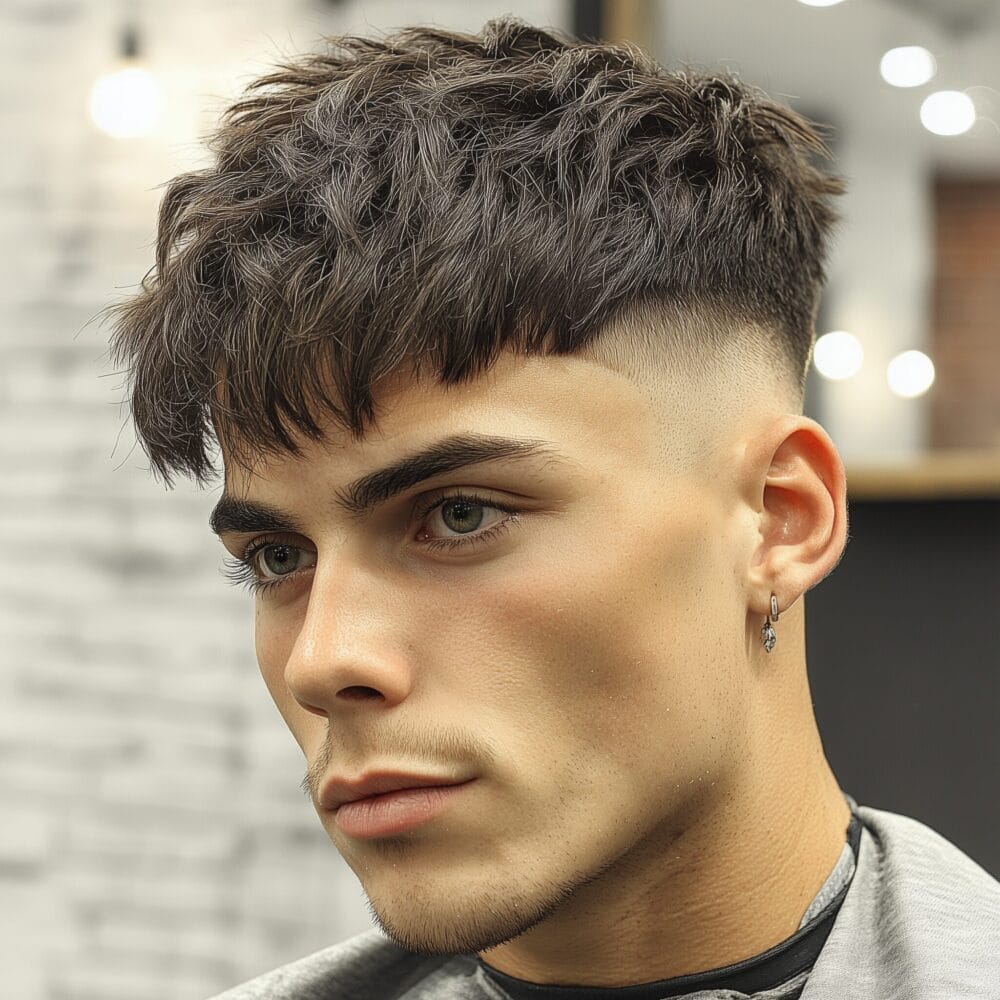
Military style inspired the shorter crew cut. Post-war, its disciplined aesthetic appealed broadly beyond the armed forces.
Everyday men valued its convenience. Quick, neat, and low-maintenance, the crew cut spread to high schools, sports, and offices.
The Flat Top
Standing high and squared, the flat top gained attention. Its geometry symbolized futuristic modernity in 1950s America.
Popular among youth and servicemen, it showed boldness. The cut’s crisp lines continue intriguing enthusiasts seeking statement looks.
1960s And 1970s Men’s Hairstyles

Counterculture rewrote grooming traditions. Long, shaggy, or natural textures carried obvious defiance toward conformity dominating earlier decades’ cuts.
Music and protest shaped styles. Barbers reimagined length, letting young men communicate ideals of freedom and identity nonverbally.
The Mop Top
Bands like The Beatles revolutionized hair with mop tops. Shagged layers framed faces, challenging short conservative norms quickly.
Youth adopted the cut as playful rebellion. It mirrored musical rhythms while inspiring fashion-forward acceptance internationally.
Long Hippie Hair
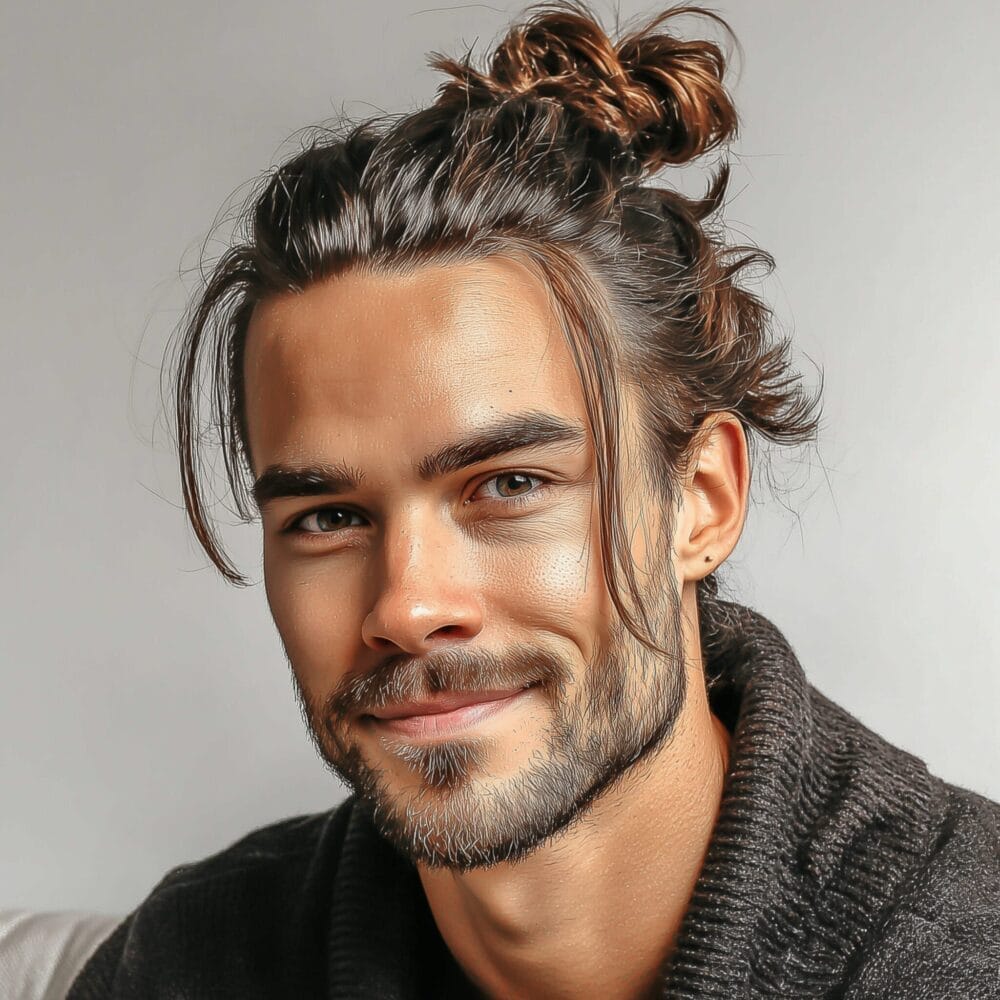
Hippies embraced nature-driven statements. Long, flowing locks symbolized anti-establishment ideals tied to spirit and shared peace values.
This became more than grooming. It crafted identity, resisting mainstream and channeling hope alongside cultural protests.
The Afro
The Afro celebrated natural curls unapologetically. More than style, it carried pride and political significance across communities.
Natural volume displayed empowerment. Wearing it meant identity ownership—voices rejecting assimilation found strength through hair.
1980s Men’s Hairstyles
The eighties showcased extremes—big volume, flashy edges, and unique experimentation. Men pushed individuality boldly through their chosen grooming.
Media icons amplified these experiments. MTV and sports propelled hairstyle visibility while defining energetic male aesthetics.
The Mullet
Nicknamed “business in front, party behind,” mullets thrived. The dual nature captured casual rebellion embracing contradiction proudly.
Although mocked later, mullets embodied freedom. Country music stars further solidified cultural popularity cemented in 1980s history.
The High Top Fade
Urban youth defined identity with high tops. Geometric precision plus expressive height linked directly with hip-hop music.
Barbers perfected fades using clippers. The high top quickly showcased both skilled artistry and cultural representation strongly.
Feathered Hair
Soft layers feathered back became popular. Celebrities with relaxed charisma helped spread the trend into mainstream households.
This carried over from seventies’ vibe. Restyled, it gave gentle edges still recognized as light but stylish cuts.
1990s Men’s Hairstyles
Nineties culture flipped trends again. Streetwear, grunge, and minimalism challenged barbers to bring varied looks alive simultaneously.
Hair became more casual. Effortless textures and experiments reflected music influences and rebellion against glossy eighties norms.
The Curtains Cut
Parted through the middle, curtains framed youthful faces. Teen idols showed floppy length, sparking school hallways imitations quickly.
Its popularity reflected low-maintenance appeal. Boys could shake bangs loosely, projecting accessible charm across diverse settings.
The Caesar Cut
Inspired by Julius Caesar, this short fringe resurfaced. It emphasized low styling while projecting strong structured identity immediately.
Paired with gel, the Caesar resonated. Many men appreciated minimal upkeep balanced with noticeable, bold distinction presented efficiently.
The Frosted Tips
Bleached tips stood out in clubs. Bold spikes highlighted an energetic, playful take appealing to pop-inspired youth identities.
Despite fading later, their popularity exploded globally. Countless celebrities experimented, making frosted tips unforgettable 1990s trademark.
2000s Men’s Hairstyles
The new millennium leaned into spikes, texture, and polished styling. Early 2000s grooming shaped versatility for confident yet experimental men.
Fades solidified mainstream adoption. Combined with styling products, every haircut could adapt across settings easily.
The Faux Hawk
Mohawks inspired this toned-down variation. The faux hawk balanced striking appearance with realistic daily wear suitability nicely.
Club culture pushed demand higher. Spiky control products allowed versatile interpretation without permanent lifestyle sacrifices required.
The Buzz Cut
Buzz cuts offered instant efficiency. Shaved close, they emphasized bone structure while removing grooming concerns altogether immediately.
Often military associated, they became mainstream. Athletes, professionals, and celebrities all leaned on minimalism’s understated authority presence.
The Shaggy Surfer Look
Messy surfer styles gained beach-influenced charm. Longer hair with texture embodied laidback culture emphasizing natural appeal.
Films and bands promoted it. Shaggy blonde looks dominated fashion spreads, symbolizing untamed spirit carefree young men loved.
Modern Men’s Hairstyles

Today embraces versatility. Fades, disconnects, textured crops, or natural curls coexist, enhanced by advanced products and barber training.
Clients design identity more freely. Mixing traditions with modern techniques offers limitless style while honoring timeless foundations.
The Skin Fade
A smooth taper blending into skin showcases precision. It pairs seamlessly across styles from pompadours to textured tops.
This fade underlines sharp contrast. Modern clippers allow barbers to sculpt perfect gradients demanded competitively worldwide.
The Undercut
The undercut removed length from sides. A longer top offered styling creativity, seen slick, wavy, or textured flexibly.
Disconnected silhouettes stay popular. They’re modern yet adaptable, allowing strong statement without heavy maintenance stress required.
The Textured Crop
Slightly messy choppiness defines textured crops. They highlight natural movement, useful for thinner or denser hair alike.
The style balances edge with simplicity. Matte products usually finish it, offering clients practical option looking trend-aware.
Beards And Hairstyles Together
Hairstyles rarely work alone. Beards balance or contrast hair, painting complete pictures of masculine styling carefully curated.
The right combination shifts perception. Outfits, careers, and face shape all influence whether stubble or full growth works.
Full Beard With Fade
A structured fade meets rugged beard. This pairing achieves equilibrium—clean lines above, rich thickness below effectively balanced.
Masculinity shines when properly groomed. Barbers refine beards with care, keeping rugged elements smartly polished together overall.
Stubble With Crew Cut
Minimal facial growth matched with a tidy crew cut creates controlled balance. Neither overwhelms, keeping appearances approachable daily.
This works across job environments. Men enjoy confidence without demanding grooming, maintaining sharpness through manageable choices consistently.
Goatee With Slick Back
The slick back carries authority. Adding a goatee gives edge, balancing maturity with adventurous flair uniquely highlighted.
Still regarded stylish, this pairing bridges decades. Vintage yet refreshing, it suits creative professionals seeking confident visuals.
Barbering Tools That Shaped Style
Tools revolutionized what barbers achieved. Scissors built foundations, while clippers unlocked short fades and standardized structured hair lengths precisely.
Products and rituals also shaped experiences. They defined barbering culture, influencing both practical results and personal connections heavily.
Clipper Guards And Fades
Numbered guards standardized lengths universally. Barbers could duplicate styles consistently, ensuring clients left satisfied with precision.
Combined with fading skills, clippers expanded creativity. Clients enjoyed fresh versatility like never before widely available.
Pomades And Hair Products
Styling products added personality. Pomades helped slick control, clays offered matte finish, gels froze spikes reliably adaptable.
Such products widened possibilities. Men explored flexible appearances without permanent cutting changes, expanding their grooming choices drastically.
Hot Towels And Straight Razors
Classic rituals defined barbershops. Hot towels relaxed clients while preparing skin for smoother shaves tailored deliberately.
Straight razors further elevated luxury. Each shave became ceremonial moment connecting masculine tradition to modern pampering culture.
Men’s Hairstyles And Pop Culture
Film, music, and sports consistently set standards. Men adopted what icons displayed, carrying looks from screens into chairs.
Pop culture magnified visibility. Styles spread globally quick, faster than ever possible through earlier word-of-mouth pathways.
Hollywood Leading Men
Actors constantly shaped men’s grooming. Clean slick waves, polished profiles, or rugged haircuts influenced generations easily imitated.
Fans mirrored on-screen heroes. Hollywood simplified taking inspiration—making borrowed star aesthetics household style statements worldwide.
Musicians And Rebellion Cuts
Rock musicians reinvented hair codes. Rappers introduced bold trims, all sparking movements men proudly embraced socially.
Music followers imitated fearlessly. Unique hair turned fan identity openly visible, symbolizing allegiance and cultural participation equally significant.
Athletes And Practical Styles
Sports figures balanced function with image. Sharp yet manageable, their hair often became shorthand for performance mindset.
Fans copied these styles readily. Athletic flair equipped hair with aspirational qualities besides simply aesthetics or comfort.
Black Men’s Hairstyles: A History of Identity and Influence
No conversation about men’s hairstyle history is complete without acknowledging how Black men shaped modern grooming. The Afro in the 1960s and 1970s was more than a style — it was a statement of cultural pride and resistance against Eurocentric beauty standards that had dominated barbering for centuries.
The high-top fade in the late 1980s, popularized by artists like Kid ’n Play, proved that Black barbershops were innovation hubs. Techniques like the temple fade, the line-up, and intricate hair designs all originated in these shops. As a barber, I can tell you that some of the most technically demanding work in our craft comes directly from this tradition.
Today, styles like cornrows, twists, and locs carry that same cultural weight while influencing mainstream men’s grooming worldwide. The conversation around natural hair textures has pushed the entire industry to develop better products and techniques for every hair type.
Where Men’s Hairstyles Are Heading Next
After two decades of barbering, I’ve watched trends cycle faster than ever. Social media compressed what used to take years into months — a style blows up on TikTok and suddenly every guy under 25 is asking for it.
The biggest shift I see coming is personalization over trends. Clients increasingly want cuts tailored to their face shape, hair texture, and lifestyle rather than copying a celebrity look. Technology is playing a role too — AI-assisted consultations and virtual try-on tools are entering shops.
But the fundamentals haven’t changed. The same principles that made a Roman soldier’s crop practical or a 1950s pompadour iconic still guide every cut. History doesn’t repeat in barbering, but it definitely rhymes.
How Men’s Hairstyle History Inspires Today
Modern barbers constantly borrow influences. Vintage shapes are mixed into cutting-edge fades, crops, or creative designs skillfully.
Clients benefit from endless choice. Past eras provide blueprints, empowering expression with context and cultural depth beyond fashion.
Ready to Find Your Perfect Cut?
You’ve read about the styles. Now find the one that fits YOUR face shape, hair type, and lifestyle.
🎬 The Most Popular Hairstyles from 1920 to Now | History By the Decade
FAQs
What Is The Most Influential Men’s Hairstyle In History?
The side part is arguably most influential. It lasted a century, shaped business looks, and adapted through eras. Even now, barbers offer modern twists on this reliable cut, proving its versatility and cultural importance remains unmatched historically.
Which Men’s Hairstyles Are Making A Comeback Today?
Pompadours, textured crops, and mullets are back. Updated with fades or products, they feel less retro and more modern reinterpretations. Men rediscover nostalgia while enjoying today’s precision cutting and versatile styling tools for lasting results.
How Did Barbershops Influence Men’s Grooming Trends?
Barbershops shaped community and experimentation. They weren’t just places to cut hair, but hubs of culture where men discussed, debated, and shared. The exchange of ideas pushed trends outward, embedding barber-influenced looks into broader society’s style choices directly.
What Role Did Music And Culture Play In Men’s Hairstyles?
Music genres inspired distinctive grooming codes. Rock brought pompadours, punk flaunted mohawks, and hip-hop advanced fades.
Culture amplified meaning—haircuts became marks of identity, not just aesthetics. Each scene translated personality into visible expression through barber chairs.
Related Guides
Was this article helpful?

Khamis Maiouf is a professional barber who graduated from Hinckley College in England with a Level 3 qualification in hairdressing. With over 20 years of experience, he is an award-winning barber who has mentored numerous students and styled thousands of clients. A recognised expert featured on StyleCraze (20M+ readers).
Credentials: Level 3 Hairdressing (Hinckley College, UK) • 20+ Years Professional Experience • Featured Expert on StyleCraze • Founder of Book of Barbering